
The True Meaning of Charity in Islam
Charity in Islam is not simply a financial act. It is a spiritual obligation, a moral responsibility, and a powerful means of social transformation. Giving in Islam reflects faith in action. It demonstrates compassion, gratitude, and obedience to Allah while strengthening communities and uplifting those in need.
Throughout the Qur’an and the teachings of Prophet Muhammad صلى الله عليه وسلم believers are reminded that wealth is a trust from Allah. It is not owned absolutely by individuals but given as a test. Charity purifies this wealth, protects it, and multiplies it in ways both seen and unseen.
Islamic charity operates on two main levels: Zakat, the obligatory annual contribution, and Sadaqah, voluntary giving performed with sincerity. Together, these create a comprehensive system of social justice that ensures the vulnerable are supported and dignity is preserved.
In today’s world, where poverty, hardship, and inequality remain real challenges, understanding charity in Islam is more important than ever. This guide explores its foundations, rewards, types, practical methods, and its lasting impact on individuals and society.
The Foundation of Charity in Islam
Charity in Islam is rooted in faith (Iman). It is deeply connected to belief in accountability on the Day of Judgment. A Muslim gives not to seek praise, but to seek the pleasure of Allah.
The Qur’an describes charity as a seed that multiplies many times over. A single act of sincere giving can carry immense reward. The emphasis is not merely on quantity, but on intention (Niyyah). Even small acts performed sincerely hold great value.
Islam views wealth as a means, not an end. It is a tool to create balance in society. When charity flows, communities thrive. When it is withheld, inequality increases. This balance is central to Islamic social ethics.
Charity also protects the heart from greed. It nurtures gratitude, humility, and empathy. A believer who gives regularly develops a deeper awareness of the struggles of others.
The Two Core Forms of Islamic Giving
1. Zakat – The Obligatory Charity
Zakat is one of the Five Pillars of Islam. It is mandatory for Muslims who meet the Nisab (minimum wealth threshold). The standard rate is 2.5% of accumulated wealth held for one lunar year.
Zakat applies to:
- Cash savings
- Gold and silver
- Business stock
- Investments
- Agricultural produce
- Certain livestock
The purpose of Zakat is purification. It purifies wealth and the soul. It redistributes resources to support specific eligible categories, including the poor, the needy, those in debt, and travellers in hardship.
Zakat is not optional generosity. It is a duty. However, it is also a mercy. By fulfilling it, a believer protects their wealth and earns immense reward.
2. Sadaqah – Voluntary Charity
Sadaqah has no fixed amount or timing. It can be given at any moment, in any form. It includes:
- Feeding someone
- Offering kind words
- Helping the elderly
- Teaching knowledge
- Smiling at others
- Removing harm from a pathway
This broad definition makes charity accessible to everyone. Even those with limited financial resources can participate in acts of generosity daily.
Sadaqah Jariyah (continuous charity) is especially powerful. These are acts whose benefits continue over time, such as building wells, supporting education, or funding community projects.
Giving Charity to Family in Islam
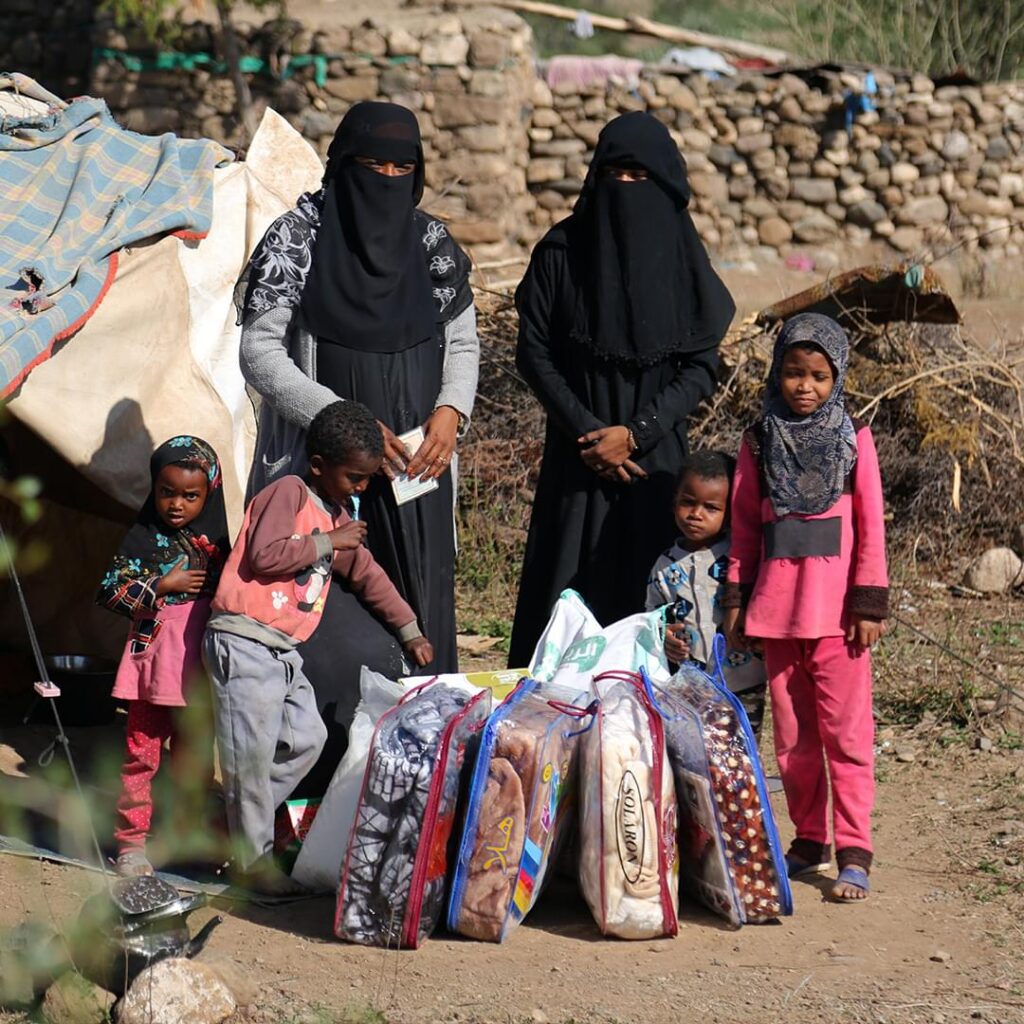
Islam places strong emphasis on family responsibility. Supporting relatives in genuine need carries double reward — charity and maintaining family ties.
If a family member struggles financially, Islam encourages assistance before looking outward. This strengthens relationships and reduces hardship within the household network.
However, support should empower rather than create dependency. Charity in Islam promotes dignity and long-term sustainability.
The Spiritual Rewards of Giving
The rewards of charity are both immediate and eternal.
1. Multiplication of Wealth
The Qur’an compares charity to a seed producing seven hundred grains. This multiplication may appear as financial blessings, protection from loss, or unseen spiritual reward.
2. Forgiveness of Sins
Charity wipes away sins just as water extinguishes fire. Regular giving softens the heart and cleanses past mistakes.
3. Protection on the Day of Judgment
The Prophet (peace be upon him) taught that charity will shade a believer on the Day when there is no other shade.
4. Increased Barakah (Blessing)
Many believers witness that giving does not decrease wealth. Instead, it increases barakah — sufficiency and peace within what one owns.
What Counts as Charity in Islam?
Islam’s definition of charity is expansive.
Charity includes:
- Financial donations
- Volunteering time
- Providing food
- Offering emotional support
- Teaching beneficial knowledge
- Caring for the environment
- Smiling with sincerity
This holistic approach ensures that every believer can participate. Charity becomes a daily lifestyle, not a seasonal event.
How Much Charity Should You Give?
Zakat
If your wealth exceeds the Nisab for one lunar year, 2.5% becomes due.
It is essential to:
- Calculate carefully
- Understand eligible recipients
- Distribute responsibly
Many people use Zakat calculators to ensure accuracy.
Sadaqah
There is no minimum or maximum. The best approach is consistency. Even small, regular amounts can create powerful long-term impact.
The Prophet (peace be upon him) said that the most beloved deeds to Allah are those done consistently, even if small.
The Social Impact of Islamic Charity
Charity in Islam builds strong communities.
Poverty Relief
Zakat redistributes wealth to reduce poverty. It prevents extreme inequality and supports those facing hardship.
Community Strengthening
Food banks, community hubs, counselling services, and educational programmes are modern expressions of Islamic charity in action.
Sustainable Development
Beyond immediate relief, charity can create lasting change through:
- Skills training
- Education support
- Women’s empowerment initiatives
- Youth mentorship
Islam encourages both immediate relief and long-term solutions.
Practical Steps to Begin Your Charity Journey
- Calculate your Zakat annually.
- Set a monthly Sadaqah goal.
- Support local community initiatives.
- Volunteer your time and skills.
- Intend sincerity before every act.
Consistency is more valuable than occasional large gestures. Create a giving habit that becomes part of your financial planning and spiritual routine.
The Role of Faith-Based Humanitarian Work in the UK
Across the UK, faith-based organisations play a vital role in community support. They bridge gaps where hardship exists and provide culturally sensitive, compassionate assistance.
A trusted charity ensures:
- Transparency
- Accountability
- Ethical distribution
- Sustainable impact
Supporting such organisations ensures your donation reaches those most in need.
Our Mission
We Believe in Holistic Empowerment
Our mission is simple: to assist, sustain, and grow.
Inspired by the values of Islam, we believe true fulfilment comes from serving humanity. Wherever there is a need, you will find Al-Firdous, providing tailored support and sustainable solutions for unique challenges.
We approach each situation with care, transparency, and dedication, ensuring that every donation reaches its full potential. Our commitment to honesty and accountability means that your support directly impacts those who need it most.
At Al Firdous, we don’t just provide aid—we create lasting change.
Dedicated to making a meaningful difference in people’s lives, Al-Firdous is a UK-based non-profit organisation established in Leicester in 2012.
What began as a small group of friends driven by compassion and a shared vision to alleviate poverty has grown into a trusted humanitarian initiative. From collecting donations locally to delivering direct support to vulnerable communities, our journey has remained rooted in sincerity and faith.
We proudly maintain a 100% donation policy, ensuring every penny given goes directly to charitable causes. As a Faith-Based Humanitarian Organisation in the UK, we believe this unwavering transparency has been key to our impact.
Why Your Charity Matters Today
The need for compassion has never been greater. Rising living costs, food insecurity, and global crises affect countless families.
Your Zakat and Sadaqah:
- Provide hot meals
- Support families in crisis
- Fund community services
- Deliver international humanitarian aid
- Empower individuals toward independence
Charity is not just about relief. It is about restoration, dignity, and opportunity.
FAQs
1. Is Zakat compulsory for every Muslim?
Zakat is compulsory only for those whose wealth exceeds the Nisab threshold for one lunar year.
2. Can I give Zakat to family members?
Yes, if they qualify as eligible recipients and are not financially dependent on you.
3. Does Sadaqah have a minimum amount?
No. Any amount given sincerely counts as Sadaqah.
4. Is volunteering considered charity?
Yes. Giving time, skills, or assistance is a valid form of charity in Islam.
5. Does charity really increase wealth?
Islam teaches that charity increases barakah and never decreases wealth in the sight of Allah.
Final Reflection: A Legacy That Never Ends
Charity in Islam is an investment in eternity. It transforms wealth into worship and generosity into lasting reward. It strengthens communities, protects dignity, and nurtures compassion.
Whether through Zakat, Sadaqah, volunteering, or continuous charity projects, every act of giving brings you closer to Allah and contributes to meaningful change.
Start today.
Calculate your Zakat.
Commit to regular Sadaqah.
Support initiatives that empower and uplift.
Let your charity become a legacy that never ends.